
When cold weather settles in and time spent outdoors becomes limited, winter indoor activity planning becomes essential. For both families and nannies, having a few reliable, low-stress ideas ready for the kids can make long winter days feel calmer, more engaging, and, dare we say, fun. A thoughtful winter indoor activity supports learning, movement, creativity, and emotional regulation, all while keeping children happily occupied indoors.
The good news is that not all winter indoor activity ideas need to be elaborate, expensive, or screen-based. With a little intention, everyday materials and routines can turn into meaningful moments that support development and connection. Here are three winter indoor activity ideas that can work across various age ranges, plus they can be adapted for different energy levels and household setups.
1) Sensory Play Stations for Calm and Focus
A great option for winter is sensory play. A sensory-based winter indoor activity is ideal when children need grounding, focus, or a quiet reset. Sensory play supports emotional regulation, fine motor skills, and independent exploration, which can be especially helpful during the winter months when kids have fewer outlets for movement.
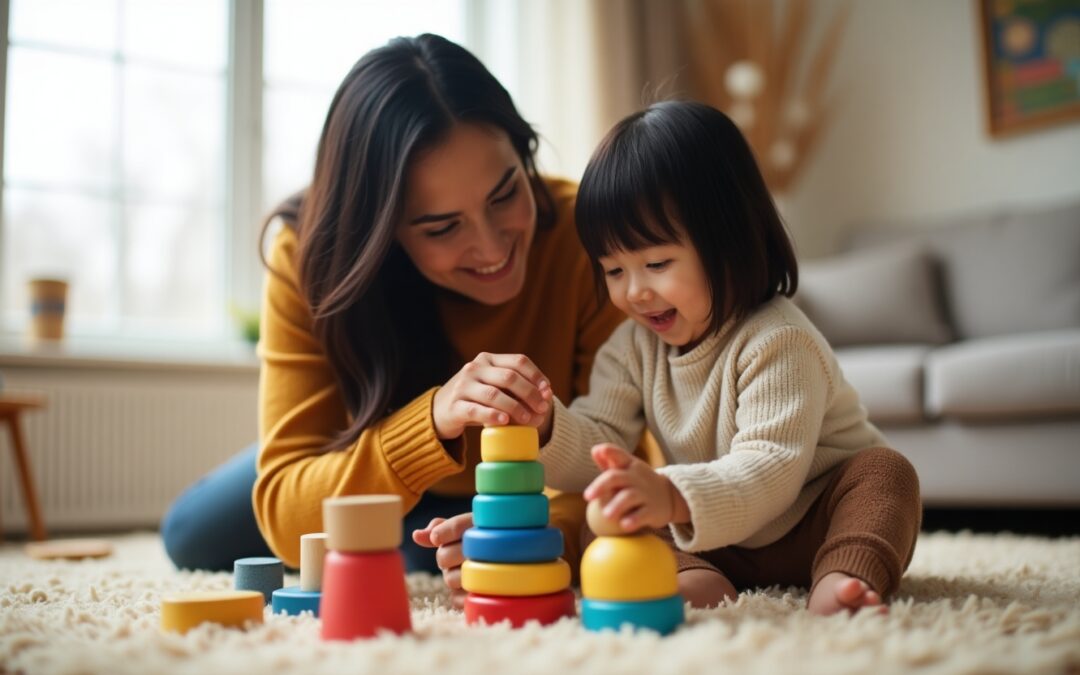
How can you accomplish this at your own home? Set up a simple sensory station using items you already have at home. Ideas include dry rice or pasta with scoops and cups, kinetic sand, or play dough. For younger children, textured fabrics, soft balls, and stacking toys work well. For older children, try slime making, sorting challenges, or building kits.
To make this winter indoor activity even more effective, rotate materials every week or two. This keeps the experience feeling new without requiring constant purchases. Encourage children to explore at their own pace while you observe or participate alongside them. Sensory play can be a powerful tool for calming busy minds and helping children transition between activities during long indoor days.
2) Indoor Movement Games That Burn Energy
One of the biggest challenges during winter is helping children release physical energy safely indoors. A winter indoor activity that focuses on movement can keep kids active while supporting coordination, balance, and confidence.
In order to help burn off that energy, create a simple indoor obstacle course using pillows, couch cushions, tunnels, painter’s tape on the floor, or small stools. Add challenges like hopping on one foot, crawling under a table, or tossing a soft ball into a basket. For smaller spaces, try movement games like freeze dance, animal walks, or yoga poses designed for kids.
This type of winter indoor activity is especially helpful in the morning or before transitions such as naptime or homework. It gives children a chance to move their bodies while staying within household boundaries. Structured movement games also help maintain routine and prevent restlessness that can lead to power struggles or emotional meltdowns.
3) Creative Projects That Build Skills Over Time
Creative projects are a winter indoor activity that can stretch across multiple days, allowing children to stay engaged without needing constant direction. These activities support creativity, problem-solving, patience, and pride in finished work.
Consider long-term projects such as building a cardboard town, creating a family cookbook with drawings and recipes, designing a seasonal art wall, or starting a simple indoor garden with herbs or plants. For younger children, focus on process over product with painting, collage making, or sticker art. For older kids, introduce journaling, model building, or storytelling projects.
What makes this winter indoor activity especially valuable is the sense of ownership children develop. They return to the project day after day, refining ideas and building confidence. Families and nannies can work together to decide where projects are stored and when they are revisited, helping maintain organization and shared expectations.
4) Making Winter Indoor Activities Work for Everyone
The most successful winter indoor activity ideas are flexible, age-appropriate, and aligned with the household’s rhythm. Communication between families and nannies is key. Discuss which activities work best, how messes will be handled, and when quiet versus active play is preferred.
Remember that winter indoor activity planning is not about filling every moment. It is about creating balance, supporting development, and helping children feel secure and engaged when routines shift due to weather or seasonal changes.
By keeping a few go-to winter indoor activity ideas in your back pocket, both families and nannies can approach the colder months with confidence. With intention, creativity, and collaboration, indoor time can become just as enriching as outdoor play.

Recent Comments