
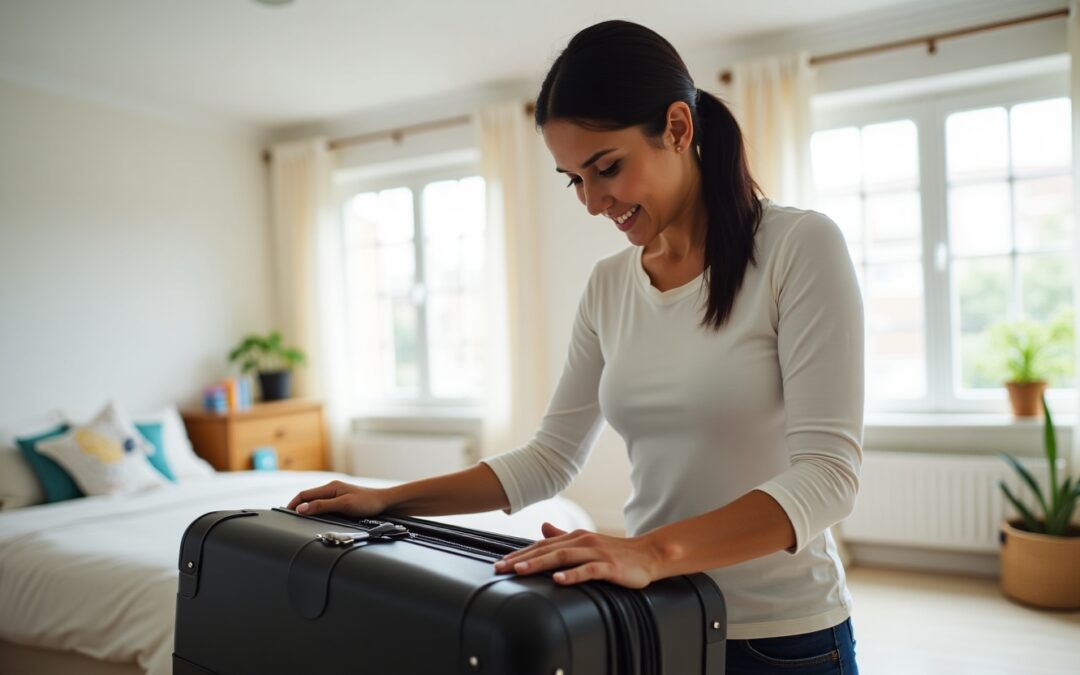
Working as a travel nanny gives you a front row seat to unforgettable experiences, beautiful destinations, and the incredible opportunity to support families when they need you most. But it also requires a very specific skillset, including strong planning, calm problem-solving, and the ability to anticipate a family’s needs before, during, and after every trip. Whether you are jetting off for the first time or refining your skills for jet-setting clients, building a solid system makes the entire experience smooth for everyone involved.
Let’s break it down into three clear phases: before travel, during travel, and after travel. With proper preparation and strategies, you can step confidently into your role as a highly skilled travel nanny who brings comfort, structure, and calm to every trip.
1) Before Travel: Building the Foundation for a Smooth Trip as a Travel Nanny
Preparation is everything when you are working as a travel nanny. The more organized you are before departure, the more seamless the entire experience will feel for the family and the children.
a) Clarify Expectations and Responsibilities
Every family travels differently, so start by gathering detailed clarity on the following:
- Travel schedule and expected working hours
- Sleeping arrangements for both you and the children
- Responsibilities during flights, layovers, and travel days
- Expectations for meals, mornings, and bedtime routines
- Rules regarding downtime, device use, communication with family, and safety protocols
- Household tasks that may be included, such as unpacking children’s clothes or organizing while on the road
Setting expectations early prevents confusion once travel begins and ensures everyone feels supported.
b) Create a Detailed Packing Checklist
A seasoned travel nanny never packs without a plan. Consider building separate lists for:
Essentials for the children:
- Diapers, wipes, car seats, loveys, comfort items
- Snacks that travel well
- Favorite small toys
- Medications, first aid essentials, and any health documents
- Weather-appropriate clothing for the destination
- Sleep items like a white noise machine, blackout covers, or pacifiers
Essentials for you:
- Comfortable clothing
- Portable activities
- A travel-size medicine/first aid kit
- Copies of important travel documents
- Noise-cancelling headphones and hydration essentials (i.e., a refillable water bottle, electrolytes)
c) Prepare Age-Specific Activity Kits
Travel success often comes down to proactive entertainment. Tailor travel kits by age:
- Infants: soft books, teething toys, sensory objects
- Toddlers: sticker books, mess-free coloring, small puzzles
- School-age children: activity cubes, brain teaser books, travel journals
Having developmentally appropriate items ready helps prevent boredom and overstimulation on travel days.
2) During Travel: Creating Calm, Structure, and Comfort
Once you are in transit, your role as the travel nanny becomes even more essential. Families will rely on you to help the day unfold smoothly, especially when flights are long or schedules feel unpredictable.
a) Arrive Early and Stay One Step Ahead
Arrive with extra time to manage security, boarding logistics, seating arrangements, snack and bottle prep, and bathroom breaks. If you’re traveling to the airport/train station/etc. with the family, encourage an early arrival but follow their lead.
Staying ahead of the family’s needs reduces stress for everyone.
b) Set a Travel Day Rhythm
Children thrive when they know what to expect. A simple structure helps:
- For infants: feed, play, nap rotation (or whatever routine you typically follow when home)
- For toddlers: movement breaks, quiet play, screen time in moderation
- For older children: activities, independent play, reading, and rest windows
This rhythm helps the travel day feel intentional instead of chaotic.
c) Use Calming Tools Strategically
Tools that ease overstimulation:
- White noise apps
- Light blankets for comfort
- Snacks offered at consistent intervals
- Simple sensory items like pop-its or fidgets
- Gentle reminders to stretch and breathe
Your calm presence becomes the foundation that children lean on throughout the day.
d) Age-Specific Flight Activity Ideas
- Infants: peekaboo, gentle movement, soft songs, black and white visual cards
- Toddlers: sensory bags, reusable sticker scenes
- Preschoolers: matching games, travel-sized building toys, magnetic puzzles
- School-age children: travel journals, audio stories, easy origami, conversation cards
Your thoughtful planning shows families how much expertise you bring.
3) After Travel Day: Helping the Family Settle In and Adjust
Your expertise is crucial as the family transitions into the new environment.
a) Create a Smooth Arrival Routine
Once you reach the hotel, rental, or family home:
- Unpack children’s items in an organized and predictable way
- Set up a sleep area
- Hydrate and offer familiar snacks
- Recreate bedtime routines as closely as possible
This helps children feel grounded in a new environment.
b) Reset Sleep Routines and Manage Jet Lag
This is where your travel nanny skills shine. Jet lag can be tough, but a consistent approach helps.
Infants:
- Follow wake windows
- Keep feeds consistent
- Offer sunlight exposure in the morning
Toddlers:
- Stick to the nap schedule
- Avoid late afternoon naps
- Build in movement and outdoor time
Older children:
- Keep bedtime routines familiar
- Encourage hydration
- Use low stimulation activities before bed
Your goal is to help the entire family regulate quickly so the trip starts on a positive note.
c) Check In with Parents and Adjust as Needed
A professional nanny always communicates clearly after arrival:
- What went well
- Any behavioral changes or reactions
- Sleep needs
- Snack or feeding patterns
- Items to restock
- Adjustments that may be helpful for the days ahead
Your observations help shape the family’s travel experience and reinforce trust in your care.
A skilled travel nanny brings far more than an extra set of hands. You bring structure, patience, calm under pressure, and the confidence families need in unpredictable moments. With strong preparation, thoughtful travel day strategies, and supportive routines after arrival, you help transform stressful travel into a smooth and memorable experience for children and parents alike.
If you invest in systems and thoughtful planning, you will stand out as a travel nanny families trust again and again.
Recent Comments