
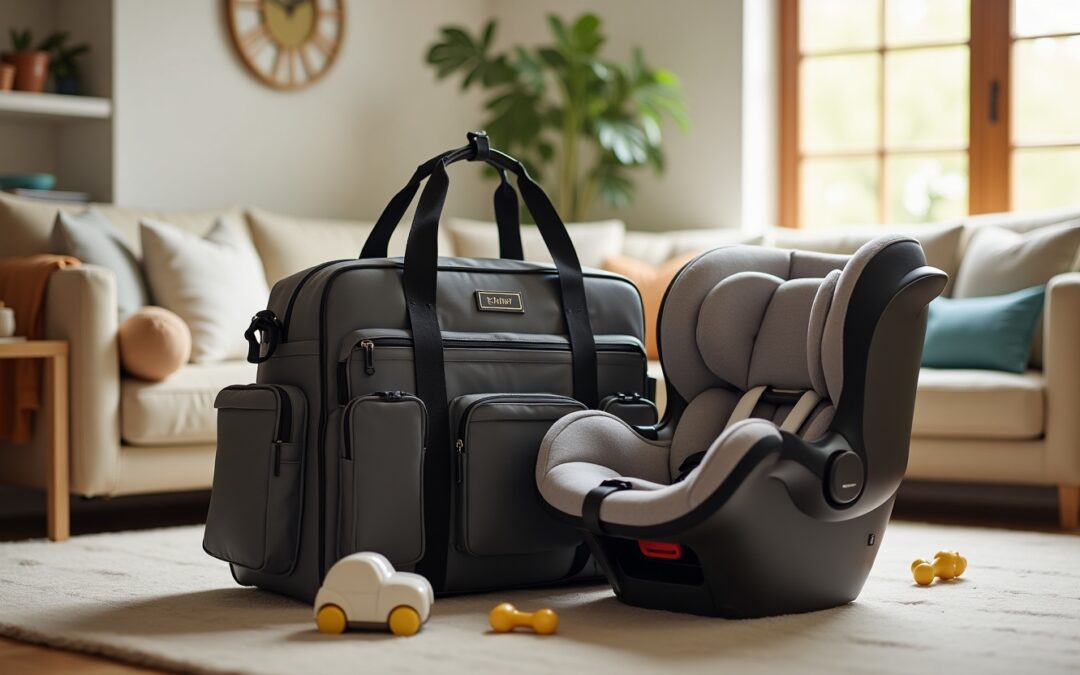
Traveling with a car seat is one of the most important steps you can take to protect a child while on the go. And understanding the rules, knowing your options, and preparing ahead can transform a stressful travel day into a smooth and manageable one.
Let’s break down everything you need to know about traveling with a car seat, including airline policies, train travel guidelines, packing strategies, installation tips, and planning advice. With the right preparation, traveling with little ones becomes safer, simpler, and far more predictable for everyone involved.
1) Why traveling with a car seat matters
While this might come as a surprise to some, most commercial forms of transportation (including planes and trains) and designed for adult safety, not child safety. Traveling with a car seat provides a secure, familiar space for the child and ensures proper protection. It also helps children stay comfortable, sleep better, and feel grounded in a new environment.
For nannies, traveling with the appropriate car seat demonstrates professionalism, preparedness, and a strong commitment to safety. It also provides consistency between home routines and travel routines, which helps reduce anxiety for younger children.
2) Understanding airline rules when traveling with a car seat
Airlines have specific rules for car seats, and they vary by carrier. However, there are several universal guidelines that families and nannies should know before traveling with a car seat.
a) Only FAA-approved car seats are permitted onboard
Look for a label that reads: “This restraint is certified for use in motor vehicles and aircraft.”
If your car seat has this label, you are allowed to bring it on board and install it in a purchased seat.
b) Children under two are not required to have a ticket
Infants may sit on an adult’s lap at no extra cost, but the safest option is always for a child to travel in their own seat using an approved car seat. This remains the FAA’s recommended approach.
c) Car seat placement rules matter
Most airlines require car seats to be placed in a window seat so they do not block other passengers. Some airlines restrict car seat use in bulkhead rows or exit rows.
d) Not all seats fit every plane
Narrow seats on certain aircraft may make car seat installation more difficult. Before traveling, check your airline’s seat width and compare it to your car seat’s dimensions.
For visual assistance, Skyscanner created the Car Seat Map, an interactive guide that helps families understand seating rules, installation considerations, and airline differences.
This resource is incredibly helpful when traveling, especially if you are trying to decide whether to bring the seat onboard or check it at the gate.
3) Train travel rules when traveling with a car seat
Traveling with a car seat on trains is often more flexible than flying, but policies still vary by country and carrier.
Here are key general guidelines:
- Most trains do not require car seats
- Many families still choose to use them for safety and stability
- Car seats can typically be placed on a seat or secured in luggage areas
- Some trains have designated family spaces that accommodate car seats more easily
- Conductors may ask that car seats not block aisles or emergency exits
For nannies who often travel with children by train, consistency is key. If the child is used to sleeping or resting in a car seat, bringing it can make long journeys far easier.
4) How to prepare before traveling with a car seat
Preparation is your best tool when traveling with kids. Here are the steps to take before your trip.
a) Choose the right car seat for travel
Lightweight seats are ideal, especially those designed for easy installation. Consider using a dedicated travel car seat to avoid wear and tear on your primary seat.
b) Use a car seat travel bag
Padded bags provide protection when checking a car seat. They also make carrying easier if the bag has backpack straps or wheels.
c) Practice installing the seat before the trip
Install it in vehicles and practice placing it in a narrow space to get comfortable with small adjustments.
d) Print airline and train policies
Having the rules on hand helps if staff members are unfamiliar with specific guidelines.
5) What to expect at the airport when traveling with a car seat
a) Security screening
You will need to place the car seat on the conveyor belt or have it hand-screened. Allow extra time.
b) Gate checking
If you do not purchase a seat for the child, most airlines allow gate checking the car seat at no cost.
c) Bringing the car seat onboard
If the child has a ticket, install the car seat in their seat. Ask a flight attendant for guidance if you are unsure.
6) Tips for success during travel
Traveling with a car seat becomes much easier with small strategic choices.
a) Use a foldable cart or strap system
Strapping the car seat to a rolling suitcase or using a travel cart keeps hands free.
b) Bring comfort items
Familiar blankets or toys help children settle more quickly.
c) Install early
Board early so you have time to install the car seat without pressure.
d) Have an installation tool kit
Useful items include:
- Thin towel for leveling
- Extra buckle strap
- Small flashlight
These tools are optional but often helpful when traveling with a car seat.
7) After arrival: what to do once you land
Once your trip is complete, do a quick safety check.
- Inspect the car seat for damage
- Reinstall it in the vehicle at your destination
- Confirm straps are not twisted and buckles work properly
- Review local car seat laws if you are traveling internationally
A brief inspection ensures that traveling with a car seat does not compromise its safety or integrity.
Traveling with a car seat may feel complicated, but the benefits far outweigh the challenges. With planning, practice, and the right tools, nannies and families can make every journey safer, calmer, and more predictable. Whether you are navigating an airport, boarding a train, or traveling through another country, traveling with a car seat ensures that the child in your care is safe, secure, and comfortable.
Recent Comments